How to Create a Wedding Budget: A Percentage-Based Breakdown for Modern Couples
If you’re newly engaged and staring at a blank spreadsheet thinking, “Where do we even start?” … you’re not alone. As wedding photographers and videographers at Cona Studios, we’ve walked alongside hundreds of couples from engagement sessions to the final dance floor moment. And one thing we’ve seen over and over again – the couples who start with a clear, realistic budget feel more confident and less overwhelmed throughout the entire planning process.
Today, we’re breaking down a simple, percentage-based approach to help you create a wedding budget that makes sense and feels customizable to you. Is this the only way to build a budget? No. Is it a viable and commonly used starting point? Absolutely. In fact, many wedding planners begin with a percentage framework and then tailor it based on what matters most to the couple. It’s flexible, practical, and gives you a clear roadmap before you start booking vendors.
Is a Percentage-Based Wedding Budget a Good Idea?
In the early stages of planning, a percentage-based wedding budget is extremely helpful. Planners often use percentages as a foundation because it helps couples:
- Avoid overspending in one category
- Understand realistic industry standards
- Prioritize intentionally
- Adjust based on what matters most to them
The keyword here is starting point. If photography is your top priority, your percentage may shift upward in that category. If you care less about florals but want an unforgettable live band, you’ll adjust accordingly. A percentage-based wedding budget gives you structure, but you still get to personalize it
Wedding Budget Breakdown by Percentage
Here’s a well-rounded starting point on common planning parctices and industry experience.
Venue + Catering: 45-50%
This is typically the largest portion of your budget, and for good reason. Your venue often sets the tone for your entire wedding day, and catering costs can add up quickly depending on guest count and service style.
Included here:
- Venue rental
- Food + beverage
- Rentals required by venue
- Service fees (sometimes)
Because this category is so substantial, guest count plays a major role in your overall budget.
Photography + Videography + Content Creator: 10-12%
Your wedding day flies by, but your photos and films last forever. This category includes:
- Wedding photographer
- Wedding videographer
- Optional content creator
Wedding photography and videography cost what they do due to your photography team’s years of experience, the cost of professional equipment, editing time, insurance, backups, and more. But here’s what we always tell our couples: when the cake is gone, and the flowers have faded, your imagery is what tells your story for generations. Invest thoughtfully here.
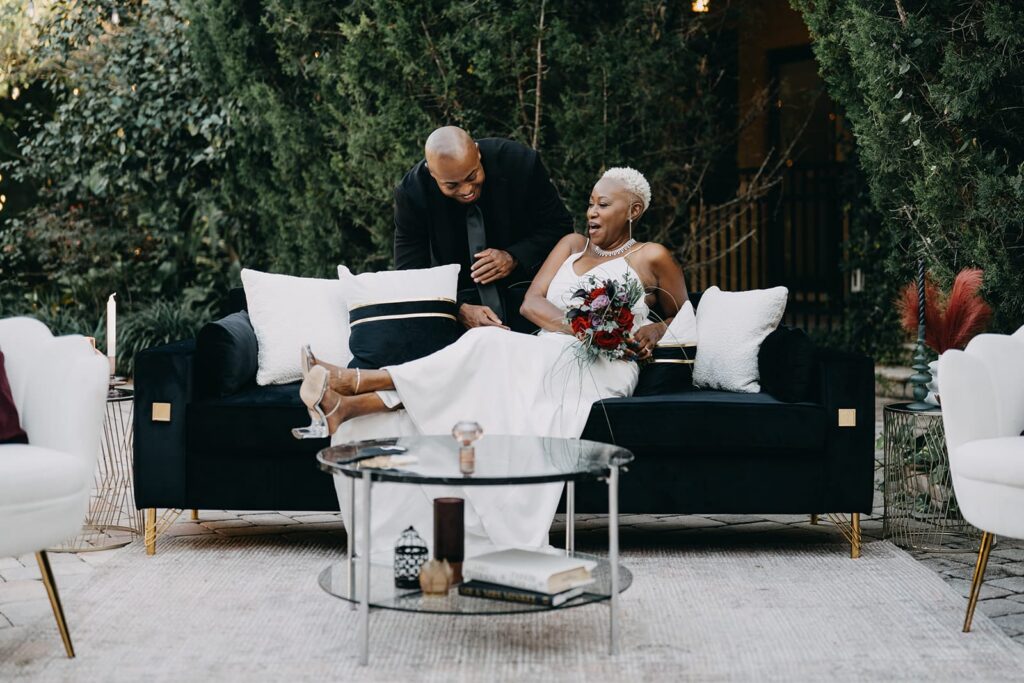
Flowers + Decor: 8-15%
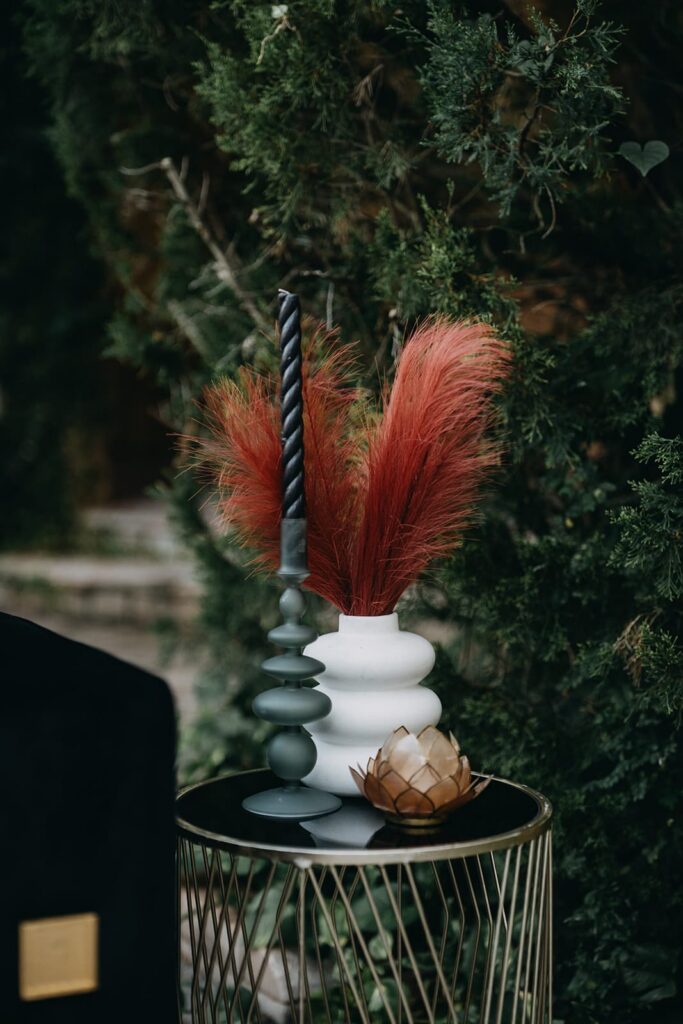
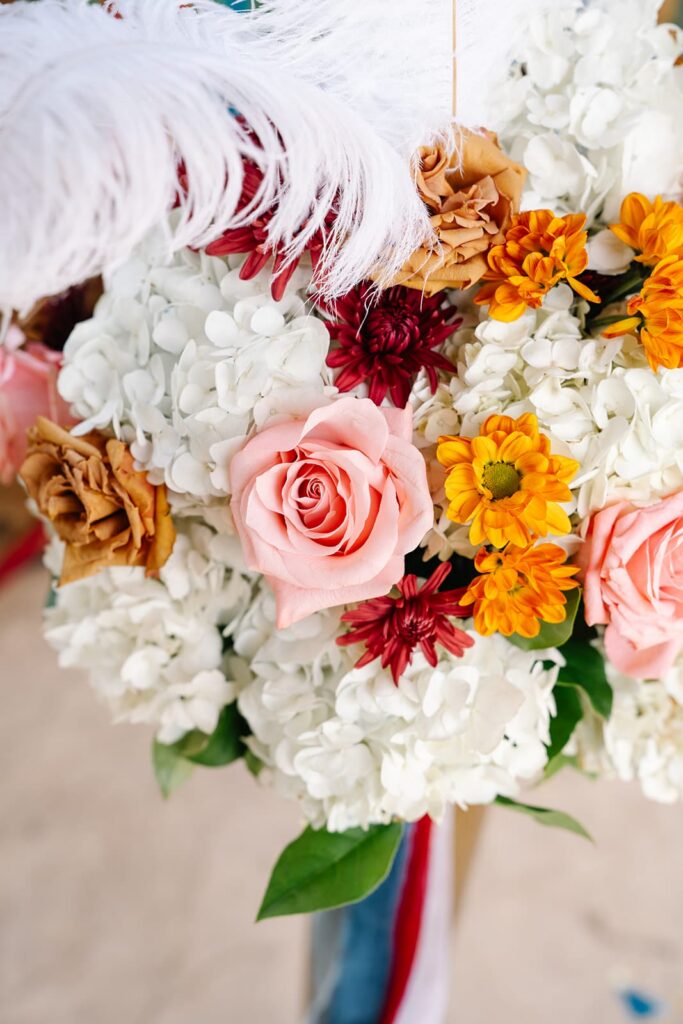
This can fluctuate dramatically depending on your style and the size of your wedding. If each reception table has dramatic centerpieces and you have 20 tables, that will significantly increase your floral budget.
Your floral and decor budget includes:
- Bouquets and boutonnieres
- Ceremony installations
- Reception florals
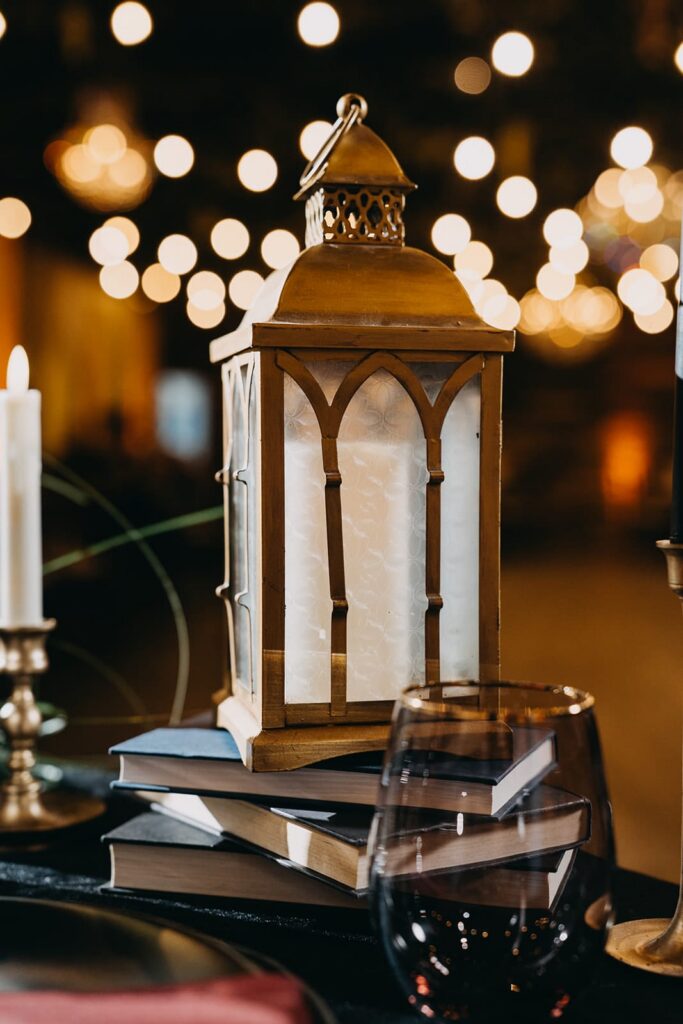
- Candles, linens, specialty rentals
Minimalist couples may fall toward the lower end. Full floral installations like floral chandeliers? Higher.
Entertainment: 8-10%
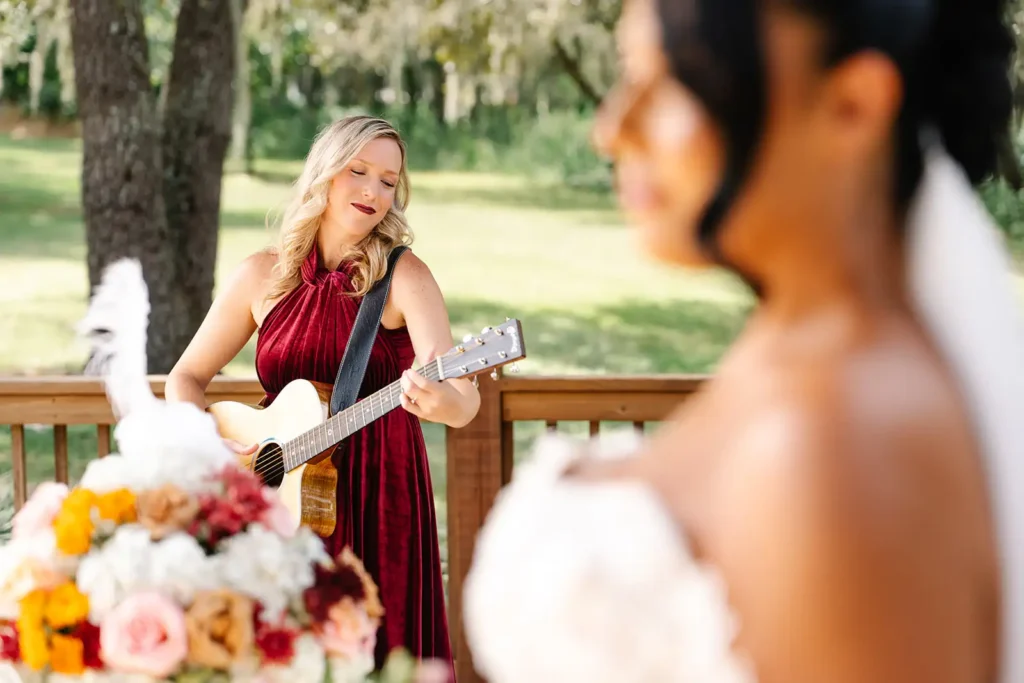
Entertainment sets the energy for the entire celebration. This category is often underestimated, but it plays a huge role in guest experience.
Whether you’re booking:
- A DJ
- Live band
- Ceremony musicians
Remember, you may want pre-ceremony entertainment, ceremony music, cocktail music, and reception entertainment. Consider the style you want for each wedding day event and choose the type of entertainment that matches your vibe.
Attire + Beauty: 5-10%
One thing planners consistently mention: couples often forget to include attire and beauty in their main wedding budget.
This includes:
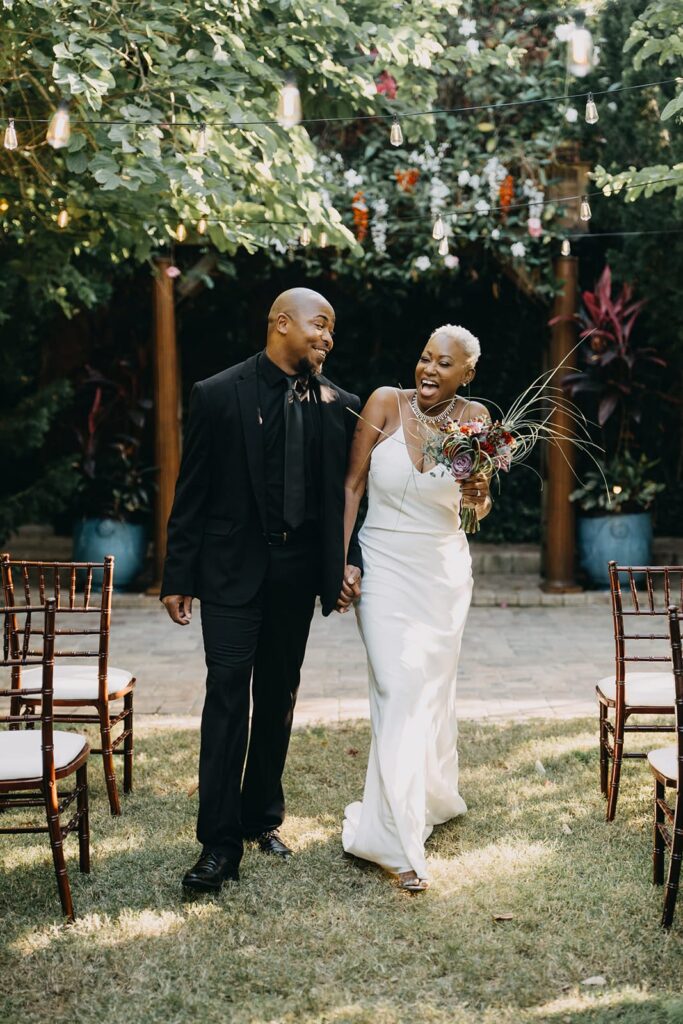
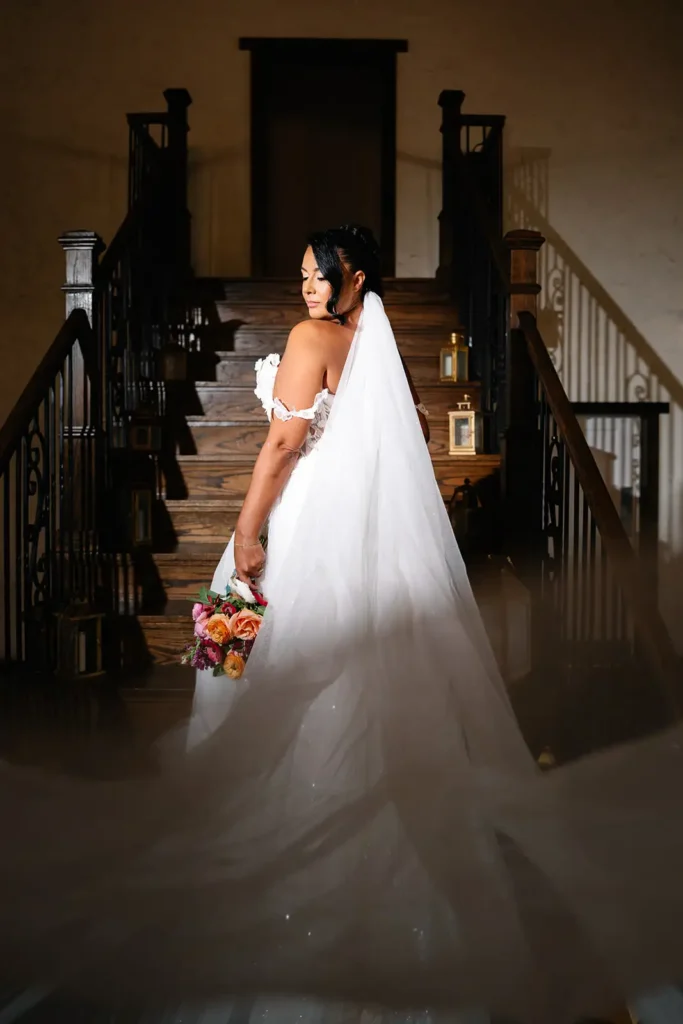
- Wedding dress
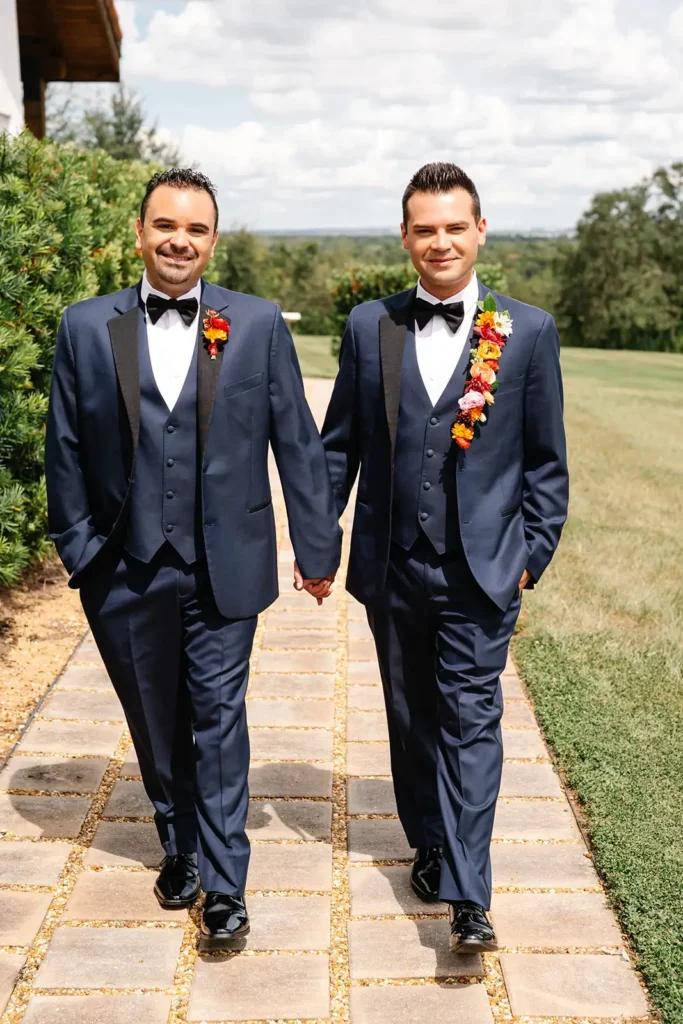
- Suit or tux
- Alterations
- Hair + makeup and grooming
- Accessories
If you’re purchasing attire outside of your shared wedding fund, make sure you account for it intentionally
Wedding Planner: 5-10%
A planner is more than coordination , they’re logistics experts, timeline managers, budget strategists, and problem-solvers. Full-service planning typically falls higher in this range, while month-of coordination may fall lower. If you’re unsure how to create a wedding budget at all, hiring a planner early can actually save money long-term.
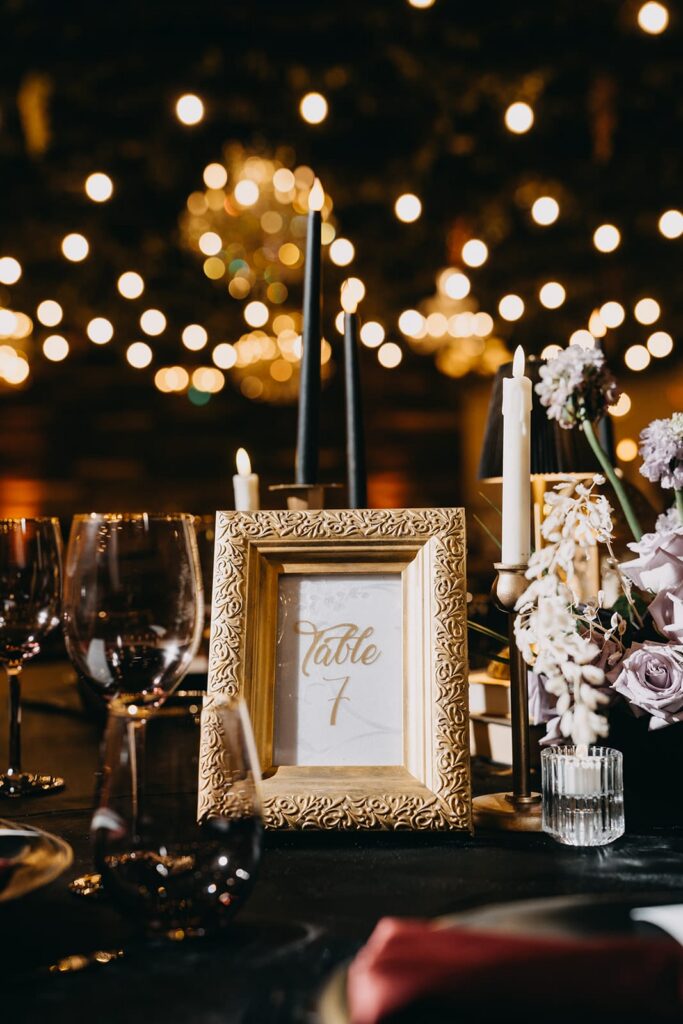
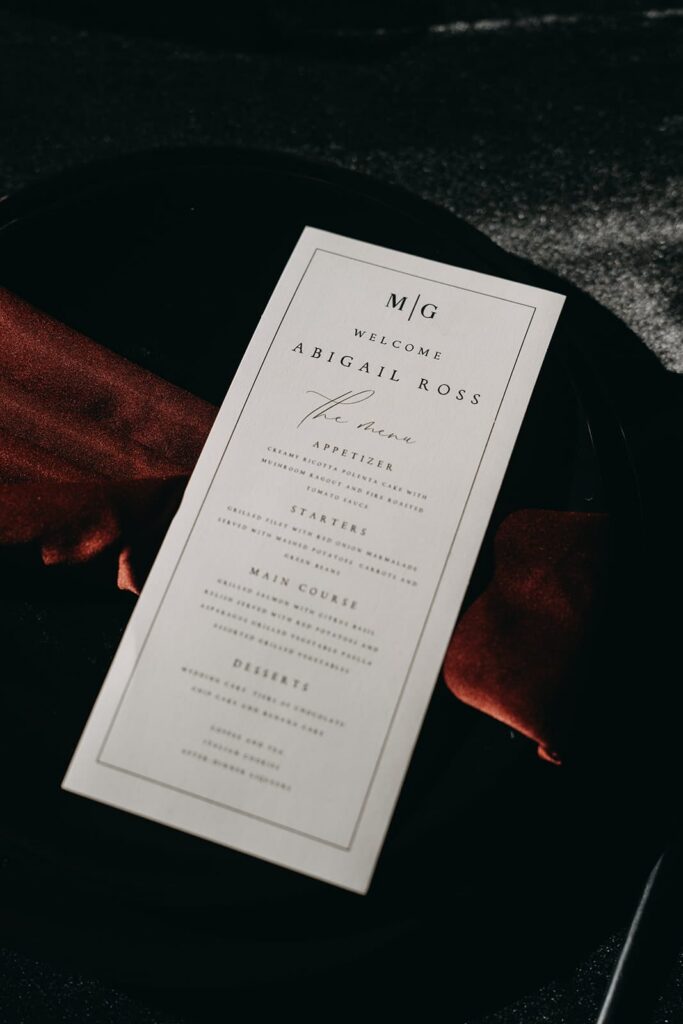
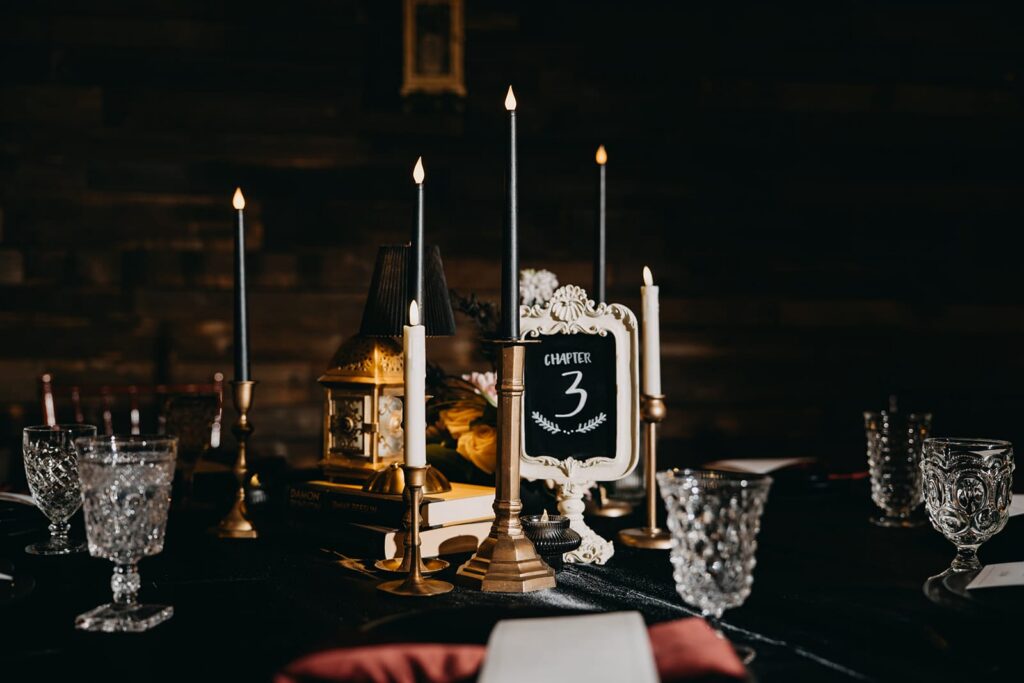
Staionery: 2-5%
Stationers create your paper goods, but may also create signage and provide calligraphy services.
This category includes:
- Save the dates
- Invitations
- RSVP cards
- Day-of signage
- Programs
- Thank you cards
Custom designs increase this percentage. Digital RSVPs may lower it.
Cake + Desserts: 2-5%
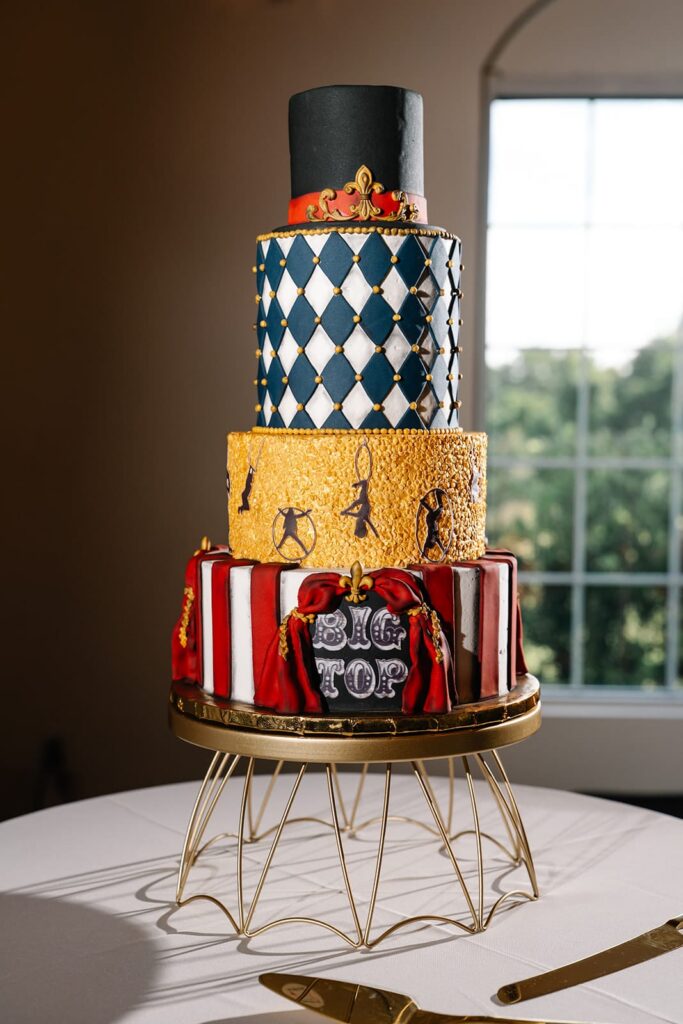
From classic tiered cakes to dessert bars, this category is often separate from catering. Some couples choose to have both a tiered cake and desserts. You can also consider a unique twist like a dessert bar or flaming donuts.
Transportation: 2-5%
This category can be as simple as borrowing a family member’s car to renting your dream sports car. Wedding transportation comes in all sizes and shapes.
Think:
- Limos
- Trolleys
- Guest shuttles
- Antique cars
- Luxury vehicles
- Sports cars
- Getaway car (often forgotten until late in the planning process)
If you are a carhead like our Owner, Tony, you may want to think about this sooner.
Miscellaneous: 2-5%
This is your cushion category. It’s where the often forgotten, but still important, budget items go.
For instance:
- Marriage license
- Favors
- Gifts
- Dress alterations
- Vendor meals
- Overtime fees
- Insurance requirements (some venues require it)
- Unexpected fees
We always recommend building in breathing room; this will help relieve the stress of needing the extra money to cover a forgotten item or that dreamy coffee cart you just can’t live without.


Tips + Gratuity: 2-5% (Optional but Worth Considering)
This one can vary depending on your wedding tier and personal preference.
Tipping is appreciated, and your wedding planner will recommend it. If you want to include it, plan for it upfront rather than scrambling at the end.
Do These Numbers Make Sense?
Yes. As a framework, these numbers make sense. These percentages reflect what many planners currently use as a starting guideline. But every couple is different. If your top priorities are photography and film, a live band, and a floral-forward design, your percentages will shift. And that’s okay. A great wedding budget isn’t about rigid math. It’s about alignment.
Final Thoughts from Cona Studios
Creating a wedding budget can feel intimidating at first. But once you see it broken down by percentage, it becomes manageable. Think of it like building a foundation. You start with structure, then customize it to reflect who you are as a couple. As photographers and filmmakers who have captured weddings for over a decade, we’ve seen firsthand how intentional budgeting creates smoother, more joyful wedding days. When couples know where their money is going, they plan with clarity instead of chaos.
And if you’re wondering how to specifically budget for photography and videography, compare our collections. Your wedding day is one day. Your memories? They’re forever. If you’re looking for a team that will walk with you through the planning process and capture your story in a light, bright, timeless, and true-to-color way, we’d love to connect.
Let’s create something beautiful together – Contact Cona Studios.